There might be a few people out there who never saw the famous TV show when it aired back in 1974. OK, one person. Maybe two. The “Little House on the Prairie” series is so much a part of pop culture even now that the now-50-year-old series racked up an astonishing 13.3 billion minutes of streaming time in 2024 alone.
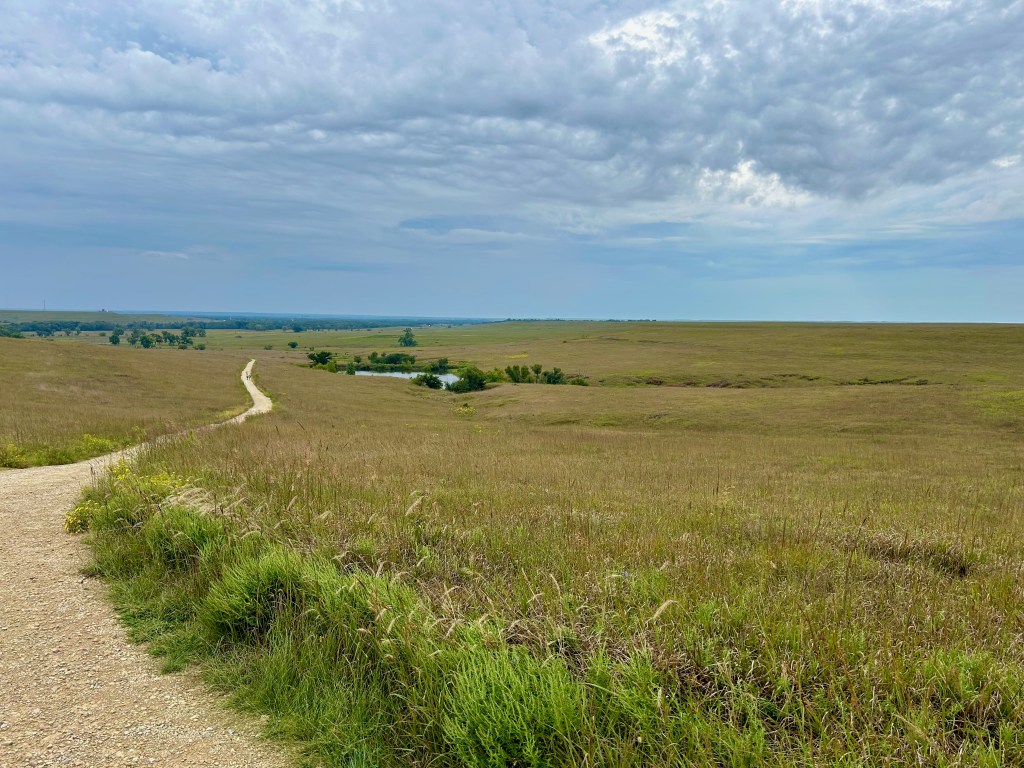
The Tallgrass National Prairie Preserve in Kansas (©Jackie Burrell)
Nostalgia is real! So is the enduring hold on our imaginations even now, 150+ years after hundreds of thousands of pioneers crossed the Oregon Trail and settled across the great plains. (Let’s not get too starry-eyed here. That vast, 19th-century land grab displaced Native American populations, started wars and killed tens of thousands and possibly hundreds of thousands of people.)
But those idealized images of covered wagons and plucky families fill our dreams and inform our culture, thanks in large part to Laura Ingalls Wilder and the classic “Little House on the Prairie” books we all read as children. More than 73 million copies of those iconic books have been sold since Wilder first penned her tales of life on the prairie in Kansas, Wisconsin, Minnesota, South Dakota and Missouri between 1872 and 1894. (I know the prairie tales are beloved, but my family’s favorite has always been “Farmer Boy.”)
Netflix is poised to reboot the series this year, with Rebecca Sonnenshine (Vampire Diaries) as showrunner. It will be interesting to see how their take differs from the original TV series (1974-1983), as well as the books, which were written in the 1930s and have since been accused of being, at best, culturally insensitive and at worst, racist. The Little House on the Prairie official website offers educators and parents ways to address those issues as “teachable moments” when reading the books with children, including offering historical perspective on what happened when settlers arrived on Osage lands.
Can we talk about the prairies, though? Considering how many hours I spent reading Wilder’s books as a kid and an adult, I’d never actually seen a prairie — not outside my imagination, anyway — until last summer.
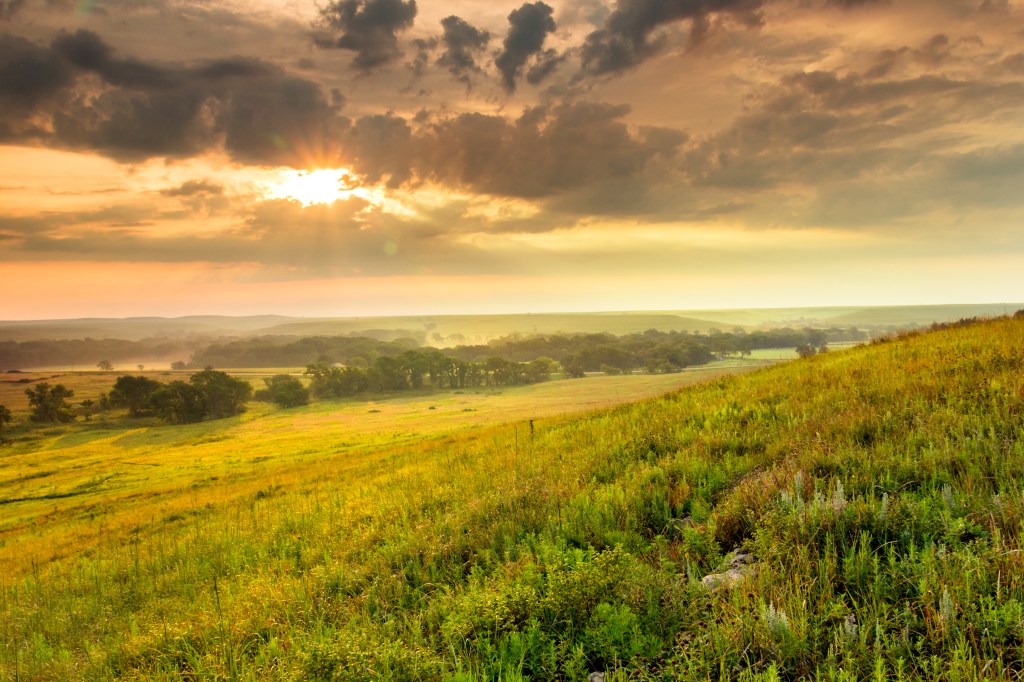
The Tallgrass Prairie National Preserve in Kansas’ Flint Hills is stunning in person. The tallgrass prairie once covered 400,000 square miles of North America, all the way from Texas up into Canada. Today, just 5% of those vast vistas remain. We spent a splendid afternoon rambling along the hiking trails of the preserve, marveling at the endless views of lush greenery. The wind riffling through the big bluestem, little bluestem, Indiangrass and switchgrasses made their fronds and tassels bob and bow. And the wildflowers! (California wildflowers are a strictly springtime phenomenon. This was August! The very nice park rangers regarded our enthusiasm with considerable amusement and refrained from asking what benighted wildflower-deprived planet we were from.)
 Jackie Burrell
Leave a comment