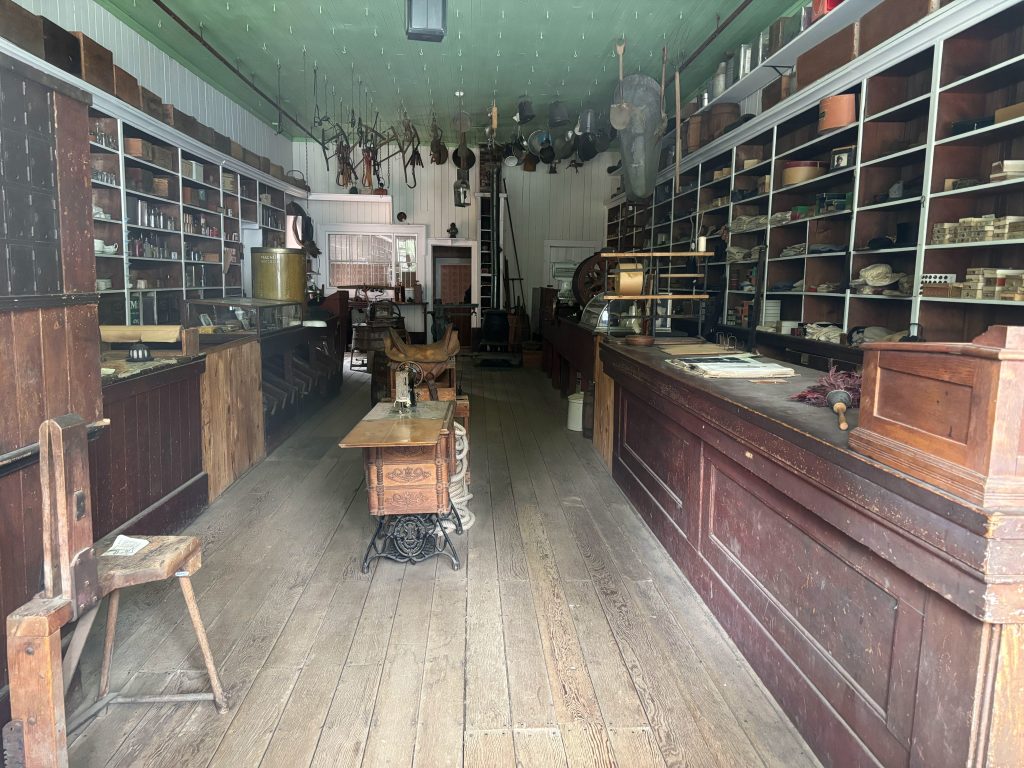
I don’t think chemistry was covered in ye olde Oregon Trail computer game, the one with all the rattlesnakes, river crossings and dysentery (duh-duh dah 🎶). But real-life pioneers baked bread and biscuits in the wilderness, just like they did back home in the States. When they stocked up at the mercantile in Independence, Missouri, saleratus and tartaric acid were high on the grocery list. Oh sure, they bought flour, beans, bacon and coffee by the wagonload, but unless you enjoy buttering hockey pucks, you’re going to need sourdough starter or the magic combination of potassium bicarbonate (or sodium bicarbonate) and tartaric acid to lift those breads and biscuits to delicious heights.
They toted hardtack, too, a combination of flour, water, salt and water, baked for so long, no moisture remained. The stuff would keep you alive, but not enjoyably. It was so damn hard, you had to soak it in tea or coffee to eat it. On the, er, upside, the National Park Service says, “This … was also a way to help kill the little maggots and worms that lived inside of it, allowing soldiers to skim them off of the top of the coffee.” The site provides a Civil War-era recipe, too, although it’s a BYOM — bring your own maggots — situation.
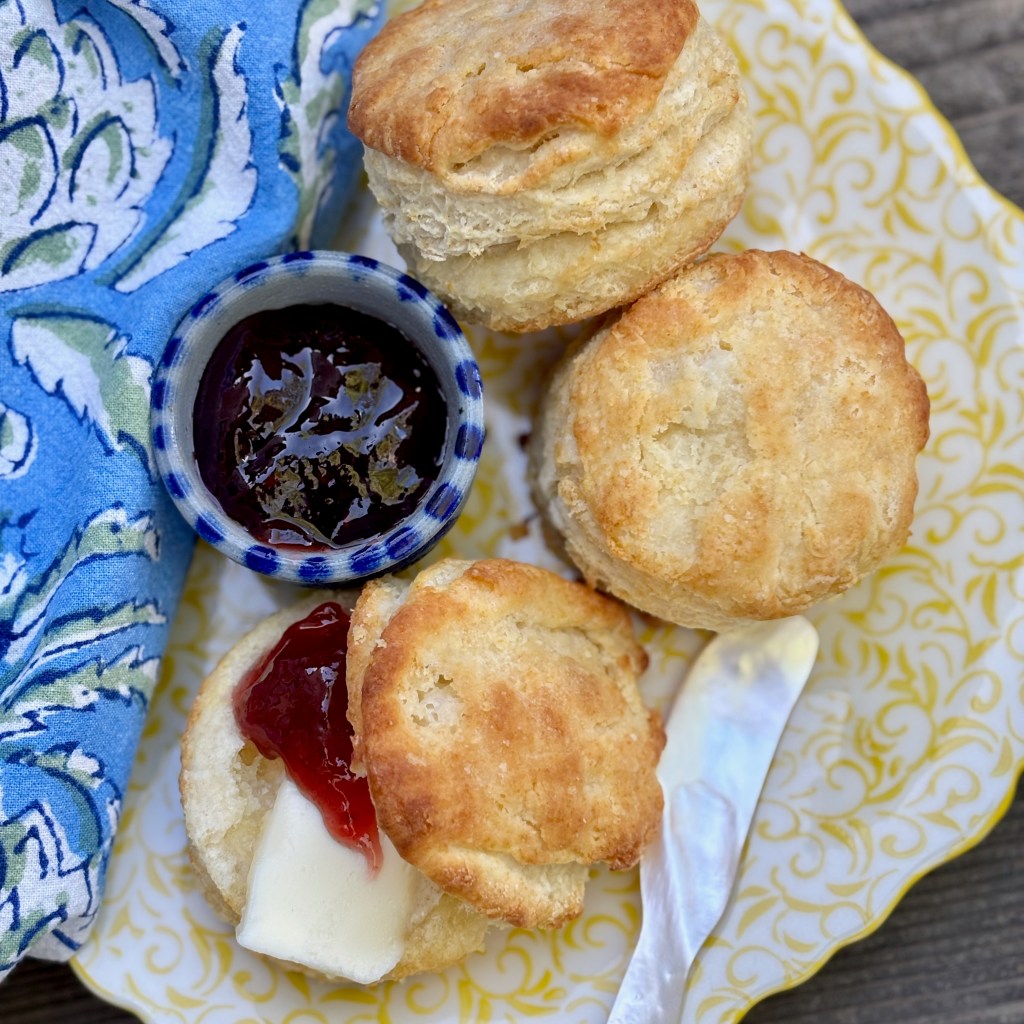
But flaky biscuits are bliss, and pioneers were baking them long before baking powder was invented. You can, too. You know that dusty cream of tartar jar in your spice cupboard? It was a key ingredient for baking flaky biscuits back in 1849, available at any mercantile. It’s every bit as effective now, too, because saleratus or baking soda + cream of tartar = baking powder. Chemistry on the Oregon Trail! The tale gets better, too. Wait’ll you hear about the saleratus.
Baking powder wasn’t widely available in the U.S. until the late 1850s, when Harvard professor Eben Norton Horsford patented his invention. He combined a bicarbonate (like saleratus or the baking soda we use today) with a weak acid (such as tartaric acid, the winemaking byproduct residing in your cream of tartar jar) to trigger the rising action. Cornstarch provided stability to ensure the action happened in your mixing bowl, not on the mercantile shelf. Cream of tartar was spendy though — imports usually are — so he replaced it with monocalcium phosphate (MCP).
Aw, jeez, you’re never going to use baking powder again if I say this: That original MCP was derived by dousing animal bones with sulfuric acid. (Don’t panic. The baking powder in your cupboard is likely vegan. Bob’s Red Mill baking powder, for example, is certified so.)
But you can skip the whole baking powder part of this by channeling your inner pioneer. My protagonist, reluctant newlywed pioneer Josie French, would have made her own by mixing one part saleratus (a baking soda cousin in the 1840s) with two to three parts cream of tartar. The combination yields flaky, towering, buttery biscuits. Pioneers found saleratus at the mercantiles back home but also out in the wild. They gathered the stuff at Wyoming’s “soda lakes,” where the shores were covered in thick deposits – one to ten inches thick – of white alkali salts. It was a curious sight and a smelly one, too. An entry in pioneer Pusey Graves’ 1850 diary said, “The pools stunk like stagnant soap suds.” That’s lye soap, folks, not French-milled suds. The stench didn’t deter anyone from scooping up bucketfuls of the stuff for their baking. It was plentiful, free and effective, after all.
I was already impressed by the grit it took to traverse the Oregon Trail. But these people braved swampy, stagnant alkaline lakes to gather baking ingredients. I’m trying to imagine Paul Hollywood doing the same. Nope.


Leave a Reply