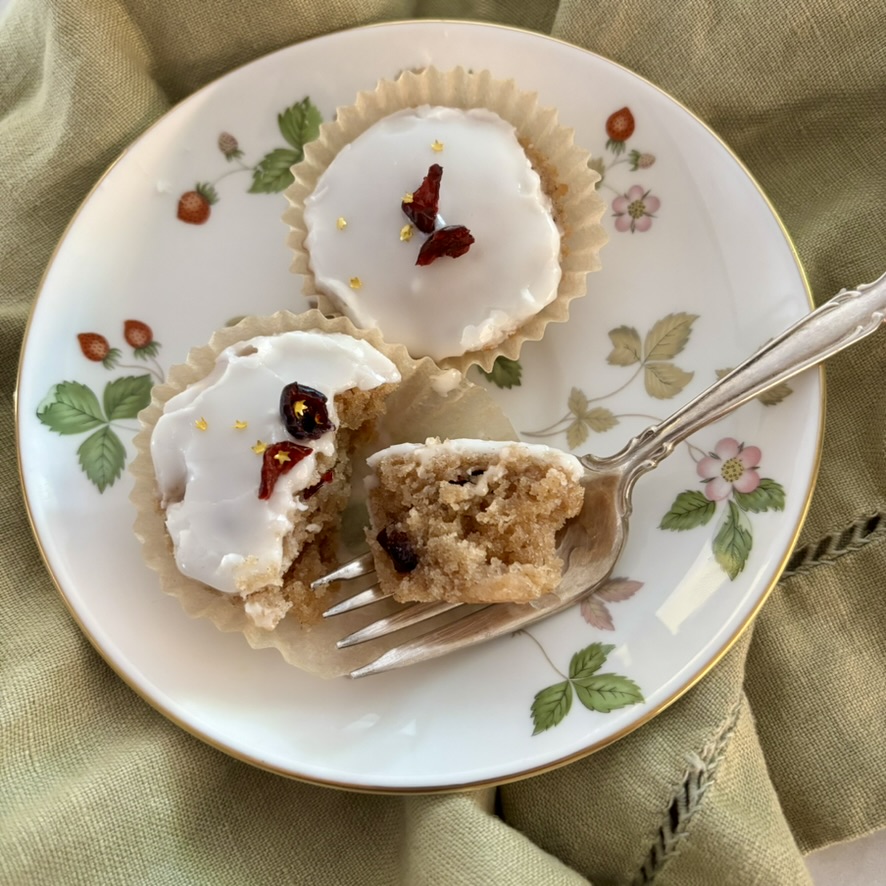
I’m endlessly fascinated by what people cooked, baked and ate in the 18th and 19th centuries. Must be a combination of my deep-seated history nerdiness and great love of baking, but the moment I started seeing references to Queen Cakes, I went down that rabbit hole. Preheat the oven, my pretties. We’re going in!
Popular on both sides of the Atlantic in the 18th and 19th centuries, these small tea cakes were baked in small round tart pans or special “queen pans” shaped like hearts, for example, or diamonds. And recipes varied a lot. The Queen Cakes at Colonial Williamsburg‘s Raleigh Tavern Bakery, for example, are a citrusy, currant-filled version baked in loaf pans. (There’s a copycat recipe here, btw.)
English “cookery writer” Hannah Glasse, who wrote The Art of Cookery Made Plain and Easy in 1747, didn’t use citrus and called for half as many currants, but added nutmeg, mace and cinnamon to her recipe.
And Eliza Leslie, 19th century culinary rockstar, didn’t use citrus or currants in her 1828 recipe, but added wine, brandy and rosewater to the flavor profile. She glazed the cakes with a thick, rosewater-tinged royal icing and added red and green nonpareils. Nonpareils. You know those. We call them sprinkles, and Brits call them hundreds-and-thousands. But going all Christmassy with red and green is … a choice.
What you see pictured above is my take on the genre, but it uses chopped dried cranberries instead of currants, because cranberries are delicious. It uses a simple confectioner’s sugar glaze flavored with rosewater for the same reason. (Can we talk about that photo for a minute, though? My husband asked why there’s a naughty gremlin grinning from the tea cake on the left, and now I can’t unsee it. You too?)
Here’s the recipe, named for the charming character in Book Two who bakes them. Oh! No need to use specialized tins. A mini cupcake pan works perfectly.
MARTHA MAPPLETHORPE’S QUEEN CAKES
Makes 2 to 3 dozen mini cupcakes
INGREDIENTS
1½ cups flour
1½ teaspoons ground cinnamon
½ teaspoon mace or cinnamon
¼ teaspoon ground cardamom
1 cup butter, room temperature
1 cup sugar
2 jumbo eggs
1 tablespoon white wine
1 tablespoon sherry
1 tablespoon culinary-use rose water
½ cup currants or chopped dried cranberries
Glaze:
1 cup powdered sugar
1 tablespoon milk
1 teaspoon culinary-use rose water
Garnish: White or multi-colored non-pareils or chopped dried cranberries
DIRECTIONS
Heat oven to 375 degrees. Butter a set of queen pans or mini tart pans, or drop mini cupcake liners into a mini muffin tin.
Sift the flour and spices into a large bowl. Set aside a tablespoon or two of the spiced flour.
Using an electric mixer or considerable elbow grease, cream the butter. Gradually add the sugar and beat until light and fluffy. Add the eggs one at a time, beating well between each addition and scraping down the sides as needed.
Mix the wine, sherry and rose water. Add to the butter-sugar mixture, alternating with the spiced flour and scraping down the bowl as needed. Beat until just incorporated. Toss the currants or dried cranberries with the reserved spiced flour – it prevents them from sinking to the bottom of the cakes – and fold them into the batter.
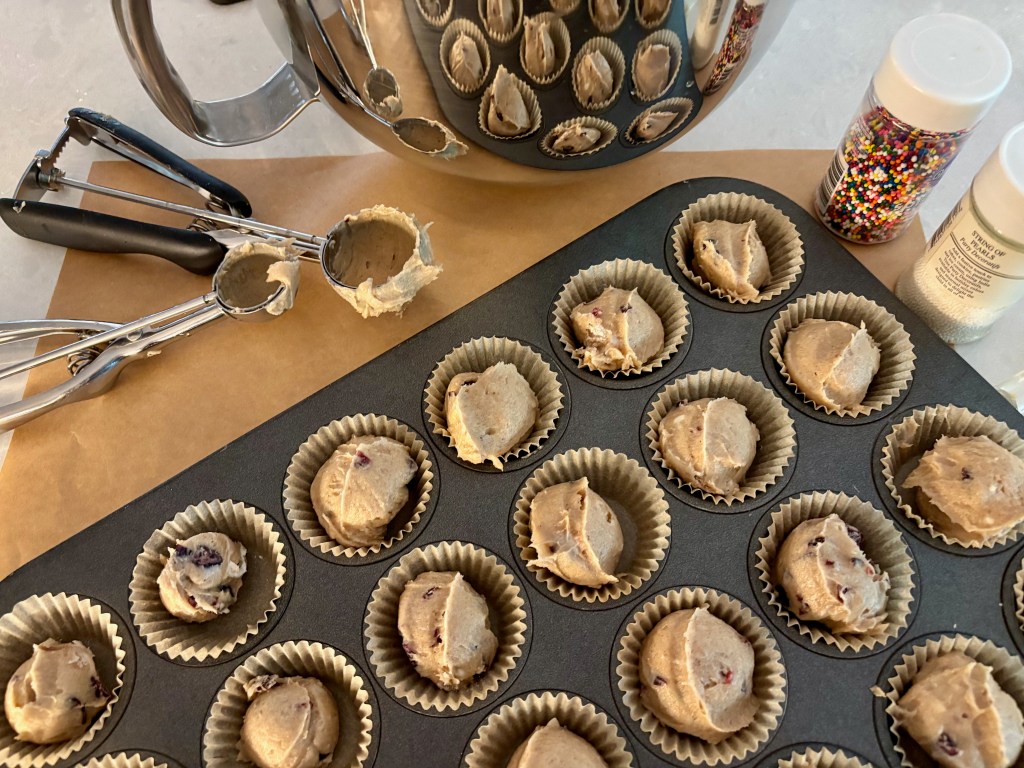
Scoop the batter into the prepared pans, filling about ¾ full. Bake at 375 degrees for 12 to 15 minutes or until the little cakes pull away from the sides and the top springs back when lightly pressed. Let cool 5 minutes or so.
Make the glaze: Stir the powdered sugar with the milk and rose water until smooth. Add water drop by drop if needed to reach a glaze consistency. Pour the glaze into a small shallow bowl.
Holding the still-warm cakes by the bottom, dip the tops in the glaze. Let set, then glaze again and garnish with chopped cranberries or nonpareils. (Note: Maybe they had colorfast nonpareils back then, but today’s sprinkles weep when they get wet, like when they encounter a wet glaze. If you go the nonpareil route, use white ones.)
– Inspired by recipes by Hannah Glasse (1747) and Eliza Leslie (1828)


Leave a comment